


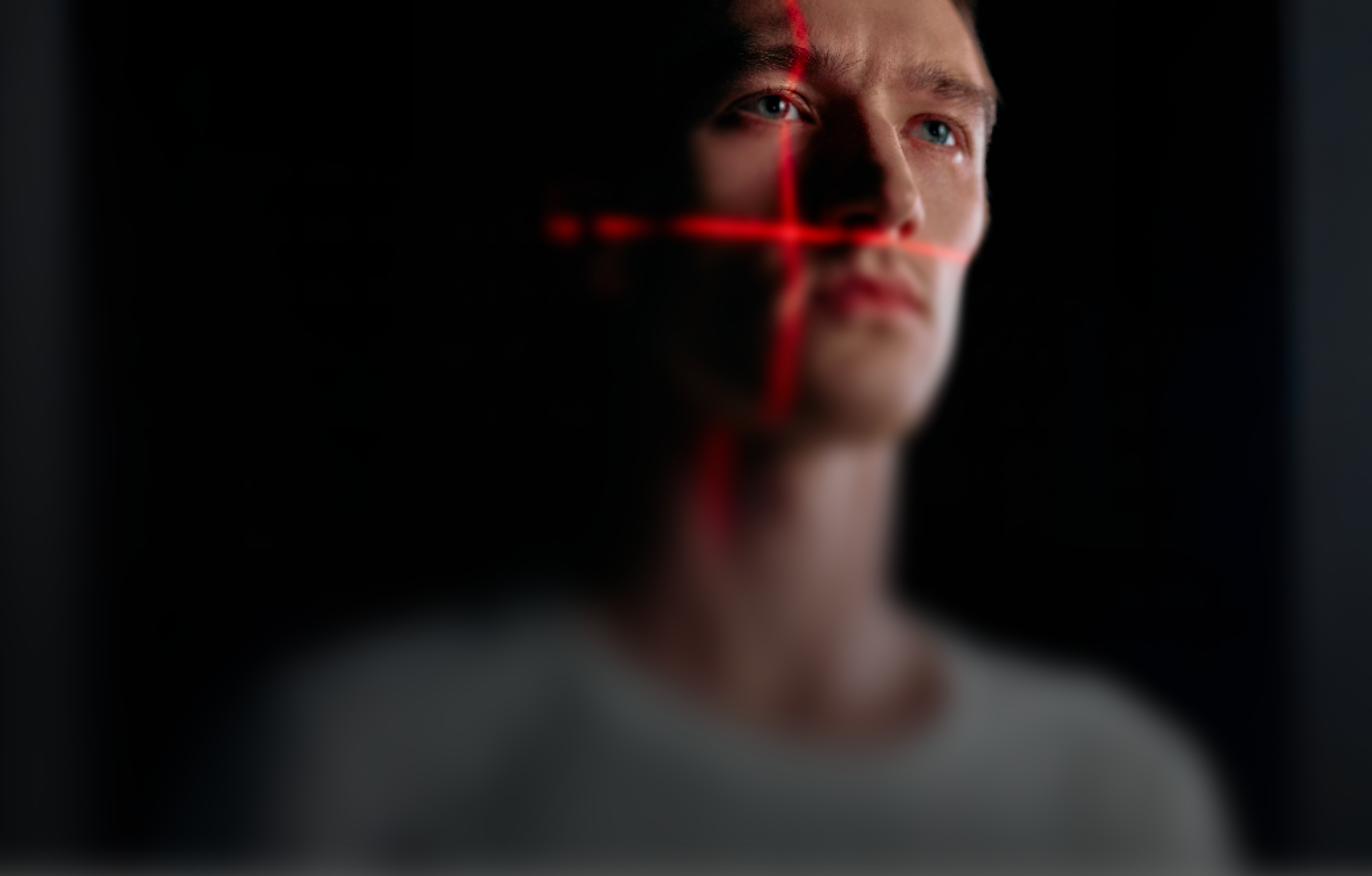

Energy-based skin remodeling uses controlled light, heat, or sound to change selected skin layers. Common examples include intense pulsed light (IPL), radiofrequency (RF), microfocused ultrasound (MFU), and fractional lasers. Human studies and review evidence suggest these methods may improve mild to moderate laxity, wrinkles, texture, or post-sun damage by supporting collagen remodeling and repair. However, evidence strength varies by device and outcome. Some findings come from small human trials, split-face studies, or ex vivo tissue work, so long-term durability remains less certain. These procedures may also briefly stress the skin barrier, with redness or dryness after treatment. For longevity, the main relevance is tissue quality and barrier resilience, not proven slowing of biological aging, healthspan decline, or lifespan loss.
Things You Should Know
What does energy-based skin remodeling mean?
Energy-based skin remodeling refers to the use of devices that deliver controlled heat, light, or sound into skin to trigger repair responses in selected layers. Common examples include radiofrequency (RF), microfocused ultrasound (MFU), intense pulsed light (IPL), and fractional lasers. The aim is not to replace the biology of aging, but to influence collagen organization, elastin behavior, pigmentation, and surface texture.
This topic matters for longevity because skin is more than appearance. Skin is a barrier, an immune organ, and a record of cumulative exposure to ultraviolet (UV) radiation, pollution, heat, and smoking. Research on skin aging shows that these exposures are linked with oxidative stress, chronic low-grade inflammation, and breakdown of the extracellular matrix (ECM). In that sense, remodeling technologies sit at the border of cosmetic and tissue health science.
Human studies support visible improvement for some outcomes, especially mild to moderate laxity, wrinkles, and photodamage, but the strength of evidence varies by device. Mechanistic findings, such as fibroblast activation or new collagen formation, are biologically plausible and supported by preclinical and histologic work, yet they should not be treated as identical to durable clinical benefit.
How do these devices work inside aging skin?
Most energy-based devices work by placing controlled injury or thermal stress into precise skin depths while leaving nearby tissue partly intact. This can stimulate wound-healing pathways, collagen turnover, and structural reorganization. In aging skin, these processes may matter because collagen synthesis tends to decline while matrix metalloproteinases (MMPs), which degrade matrix proteins, rise with ultraviolet (UV) exposure, oxidative stress, and inflammation.
Different devices act through different forms of energy. Microfocused ultrasound (MFU) creates small thermal coagulation points at selected depths, including deeper support layers. Radiofrequency (RF) heats tissue through electrical resistance and may reach dermal and subdermal structures. Fractional lasers create microscopic treatment zones, while intense pulsed light (IPL) relies on selective photothermolysis, meaning certain tissue targets absorb light more than surrounding tissue.
Human and ex vivo studies suggest these treatments may support tightening, wrinkle softening, and texture change over weeks to months. Still, immediate collagen contraction is not the full story, and some radiofrequency findings come from small cohorts or body-contouring settings rather than broad facial aging populations. Mechanism is fairly well described, but long-term comparative outcomes remain less complete.
Which terms help interpret the evidence correctly?
Several terms can make this field easier to judge. Photoaging means skin changes driven mainly by cumulative ultraviolet (UV) exposure rather than time alone. Extracellular matrix (ECM) refers to the structural network around cells, including collagen, elastin, and glycoproteins. Matrix metalloproteinases (MMPs) are enzymes that break down matrix proteins and often rise in damaged or inflamed skin.
Microscopic treatment zones (MTZs) are tiny columns or spots of controlled injury created by fractional devices. Transepidermal water loss (TEWL) is a measure of barrier leakage and is often used in recovery studies after procedures such as intense pulsed light (IPL). Global Aesthetic Improvement Scale (GAIS) is a clinician-rated or observer-rated scale of overall visible change, but it is less objective than direct biophysical measurements.
These definitions matter because not all outcomes capture the same thing. Histology may show collagen or elastin changes, but that does not automatically predict how long visible improvement lasts. Split-face studies reduce between-person variation, yet short follow-up can still overstate durability. When research relies on small samples, photographs, or nonstandard scales, it may suggest benefit, but it usually counts as early or moderate evidence rather than firm consensus.
Who may benefit most, and who is often overlooked?
Available human evidence suggests the clearest candidates are people with mild to moderate skin laxity, fine wrinkles, uneven texture, or photodamage rather than advanced sagging. For example, microfocused ultrasound (MFU) has been described as better suited to mild to moderate laxity than severe tissue descent. Some laser and light studies also focus on visible texture, fine lines, and pigment changes rather than major structural aging.
Age is only one factor. Exposure history may matter as much as birth year. People with high cumulative ultraviolet (UV) exposure, pollution exposure, smoking history, sleep disruption, or repeated barrier irritation may show more extrinsic aging features that are potentially relevant to remodeling strategies. Postmenopausal women are also often discussed in the scientific literature because hormonal change is associated with collagen loss, dryness, and reduced elasticity.
An often overlooked issue is diversity in the evidence base. Reviews note that many skin aging studies have focused heavily on Caucasian populations, which limits certainty across skin tones and aging patterns. Another overlooked group is people with impaired wound healing or active inflammation, where safety, pigment change, or recovery may differ. That makes patient selection a research issue, not just a cosmetic one.
When is this knowledge most relevant to longevity?
This knowledge is most relevant when skin aging is viewed as cumulative tissue stress rather than only a late-life cosmetic concern. Research on aging skin links long-term exposure to ultraviolet (UV) radiation, pollution, oxidative stress, glycation, and chronic inflammation with collagen breakdown, barrier decline, and altered repair capacity. In that context, remodeling procedures are best understood as one part of a broader exposure-and-repair picture.
It is especially relevant before or after periods of heavy photodamage, in midlife when laxity and texture changes become more visible, and when weighing trade-offs between short-term appearance goals and long-term tissue health. Human studies suggest some modalities may improve wrinkles, tightness, or skin quality, but benefits are often measured over months, not decades. Long-term durability and repeated-treatment effects are less certain for several devices.
The longevity link is therefore indirect but meaningful. Healthier skin structure, better barrier recovery, and lower cumulative damage may support comfort and resilience with age, yet no device should be framed as reversing biological aging. Small uncontrolled studies, including post-procedure recovery work after intense pulsed light (IPL), can be useful for hypothesis building, but they do not establish long-term anti-aging benefit on their own.
Tell Me More
How do lifestyle and barrier health shape remodeling results?
Energy-based remodeling does not act on skin in isolation. Review-level evidence and human procedural studies suggest that baseline barrier health, cumulative ultraviolet (UV) exposure, smoking, poor sleep, and pollution may influence how skin responds and recovers. These factors are linked with oxidative stress, chronic low-grade inflammation, matrix metalloproteinases (MMPs), and collagen breakdown, which can work against the repair response that devices are meant to trigger.
A prospective split-face human study after intense pulsed light (IPL) showed why recovery biology matters. Primary outcomes included stratum corneum hydration and transepidermal water loss (TEWL) as change over 28 days, with lower TEWL and higher hydration on the fibronectin-treated side by days 3, 7, and 28. Erythema measures also normalized faster. That supports a practical longevity idea: visible benefit may depend not only on remodeling, but also on preserving barrier function after treatment. The broader assumption for longevity comes from skin’s role as a long-term barrier and immune interface, not from direct lifespan trials.
What do newer studies show beyond simple collagen claims?
Recent studies have moved beyond the broad phrase “stimulates collagen” and have started to separate mechanism from visible outcome. In an ex vivo human skin model, fractional Q-switched neodymium-doped yttrium aluminum garnet (Nd:YAG) laser created subepidermal cavitation without epidermal injury at selected settings. In a separate prospective single-arm human study, the same platform was assessed with four sessions and follow-up at 1 and 3 months.
The main clinical outcome was blinded Global Aesthetic Improvement Scale (GAIS) at 3 months, reported as proportions of participants rated improved or much improved. Secondary outcomes included investigator-rated fine lines, skin tone, tightness, and texture from imaging over the same period. This is useful because it links a plausible tissue mechanism with short-term human appearance outcomes. Still, the trial lacked a control group, included only 36 women, and followed participants for 3 months. So the evidence supports short-term facial skin quality improvement, but not a general claim that all energy devices deliver durable anti-aging effects relevant to longevity.
What is a common misconception about 'noninvasive' devices?
A common misconception is that noninvasive means biologically trivial or risk-free. Scientific evidence does not support that view. Even when treatment avoids surgery, the intended effect often depends on controlled tissue stress, followed by inflammation, repair, and remodeling. That is why transient erythema, dryness, barrier disruption, or peeling can occur after procedures such as intense pulsed light (IPL) or laser treatments.
Human studies illustrate both sides. In the 28-day split-face intense pulsed light (IPL) study, adverse events were monitored throughout and none were reported for the post-procedure fibronectin regimen, yet the procedure itself still caused measurable early increases in transepidermal water loss (TEWL) and redness before recovery. In a 12-month human study of non-ablative erbium-doped yttrium aluminum garnet (Er:YAG) periocular treatment, mild edema, erythema, and superficial peeling were common but resolved without permanent changes. For longevity, the relevant point is balance: a procedure may improve selected aging features while still imposing short-term repair demands on tissue.
How should this field reshape longevity-focused skin strategies?
The main shift is to treat energy-based remodeling as one layer within a broader exposure-and-repair strategy, rather than as a stand-alone answer to skin aging. Review-level evidence links aging skin with reactive oxygen species (ROS), advanced glycation end products (AGEs), hormonal change, vascular remodeling, and inflammaging. Devices may modify some visible consequences, but they do not remove the upstream exposures that drive repeated damage.
The stronger clinical evidence tends to be device-specific and outcome-specific. Split-face controlled human research supports faster barrier recovery after intense pulsed light (IPL) when post-procedure care is favorable. Prospective human studies support short-term improvement in wrinkles, tone, or laxity for selected laser platforms. Yet many studies are single-center, small, uncontrolled, or limited to months of follow-up, and reviews note underrepresentation of diverse skin phototypes. For longevity, the reasonable inference is modest: procedures may complement sun protection, sleep, and exposure reduction by improving tissue quality without claiming to slow whole-body aging. That assumption comes from skin biology and function, not from direct survival evidence.
Level Up
Why does treatment depth matter more than surface heat?
A deeper theory in this field is that visible tightening may depend less on surface change and more on where mechanical support is altered below it. In vivo human studies on microfocused ultrasound (MFU) describe tiny thermal coagulation points placed in the mid-to-deep reticular dermis and subdermis, with some treatments aimed near the superficial musculoaponeurotic system (SMAS). That matters because aging is not only a problem of thinning collagen at the surface. It also involves lax support layers, altered extracellular matrix (ECM), and weaker force transfer across tissue planes.
A separate line of evidence comes from ex vivo tissue work and a small in vivo human cohort on radiofrequency-assisted lipolysis (RFAL). These findings suggest that part of tightening may arise from subdermal fibrous septae and fascia, not just dermal collagen shrinkage. The same study also noted a hard limit: immediate dermal contraction strong enough to tighten skin may require temperatures that risk epidermal burn. That is a useful correction to simple marketing claims.
For longevity, the implication is narrow but relevant. Better structural support may improve function and resilience of aging tissue, yet it is not proven to slow biological aging or extend lifespan. The strongest demonstrated outcomes are local and aesthetic, while the broader healthspan link remains a reasoned inference based on tissue mechanics and skin integrity.
How do repair scaffolds shape outcomes after light-based injury?
An emerging concept is that remodeling quality may depend on the repair scaffold that forms after energy exposure, not only on the energy pulse itself. In vivo human evidence from a split-face study after intense pulsed light (IPL) examined this idea with fibronectin (FN), a large extracellular matrix (ECM) glycoprotein involved in cell adhesion, collagen assembly, keratinocyte migration, re-epithelialization, and angiogenesis. After IPL, the primary measured variables included stratum corneum hydration, transepidermal water loss (TEWL), erythema markers, gloss, and subjective recovery over 28 days.
Compared with the control side, the fibronectin-treated side showed lower transepidermal water loss (TEWL) from day 3 onward and greater hydration, with faster normalization of redness. No adverse events were reported in that study population. Mechanistically, this supports the idea that post-procedure recovery is an active biological phase. Fibronectin may help organize a provisional matrix that guides fibroblasts and keratinocytes during repair.
This matters to longevity because barrier recovery is part of long-term tissue resilience. Still, the evidence does not show that better short-term healing after intense pulsed light (IPL) translates into slower systemic aging, longer life, or even durable skin-age modification across years. The study was small, short, and limited to healthy women, so the broader inference remains cautious.
Can skin remodeling target senescence pathways directly?
The scientific literature increasingly frames skin aging as a mix of structural wear and altered cell signaling. Review-based evidence describes links among reactive oxygen species (ROS), matrix metalloproteinases (MMPs), telomere shortening, cytokine-driven inflammaging, microRNA changes, and advanced glycation end products (AGEs). Within that model, some energy-based interventions may do more than contract collagen. They may also interact with stress-response pathways that influence fibroblast behavior, extracellular matrix turnover, and repair timing.
That said, direct proof is still limited. The available evidence here is mainly mechanistic review evidence, not replicated long-term in vivo human trials showing that energy-based skin remodeling removes senescent cells or reverses biological age. Some sources discuss anti-senescence pathway upregulation with fractional radiofrequency approaches, but these claims remain early and should not be treated as established clinical outcomes. No animal longevity studies in the provided evidence demonstrate lifespan extension from these procedures, and no human trials show reduced mortality or delayed systemic aging.
The reasonable longevity connection is therefore indirect. If a treatment lowers local inflammatory burden, supports matrix renewal, or improves barrier competence, it may fit a healthspan-oriented view of maintaining tissue function without sacrificing future health. But that remains mechanistic plausibility, not demonstrated anti-aging efficacy at the organism level.
What may define best practice over the next decade?
The field may move toward precision remodeling rather than stronger energy alone. In vivo human studies on microfocused ultrasound with visualization (MFU-V) show why. Imaging allows clinicians to see tissue planes up to several millimeters deep and match transducer depth to anatomy. This approach may reduce off-target exposure and improve consistency, which is important because current outcomes vary with laxity severity, treatment depth, and operator technique.
Another likely shift is broader use of combined strategies that treat injury and recovery as one biological sequence. Human studies already suggest that visible gains can depend on post-procedure barrier repair, while review evidence ties aging skin to oxidative stress, vascular remodeling, glycation, and chronic inflammation. Over time, best practice may involve better phenotyping of who responds, more objective measures such as imaging and barrier metrics, and stronger attention to harms. Existing studies report transient erythema, edema, bruising, discomfort, and in some radiofrequency settings, burn risk or seroma.
For longevity, the most credible future direction is integration, not overstatement. Energy-based procedures may become more tailored to tissue biology and safer across diverse skin types, but they are not established tools for extending lifespan. A decade from now, experts will likely judge success less by short-term lifting alone and more by durable tissue quality, recovery burden, and preservation of skin function over time.
Pros and Cons
Pros
- Noninvasive tightening
Human studies on MFU-V and fractional Nd:YAG are associated with visible lifting, wrinkle softening, and texture gains without surgery. This may support skin function and appearance with aging when laxity is mild to moderate.
- Depth-specific targeting
MFU-V uses focal depths around 1.5 to 4.5 mm with imaging guidance, and RF can reach deeper tissue planes than many light-based devices. This allows treatment to match anatomy rather than relying on surface heat alone.
- Low downtime options
Recovery burden is often limited with nonablative platforms. MFU-V usually causes brief discomfort and transient redness or swelling, while a 36-participant human Nd:YAG study reported no procedure-related downtime over 3 months.
- Barrier recovery support
In a 32-participant split-face human IPL study, post-procedure fibronectin was associated with lower TEWL from day 3 to 28, plus higher hydration and faster erythema improvement. This may matter for tissue resilience, not only appearance.
- Mechanism aligns with aging
Human, ex vivo, and histologic evidence suggests these devices can influence collagen remodeling, fibroblast activity, and selected support layers. That fits the biology of photoaging, though it does not establish systemic anti-aging effects.
Cons
- Short-term tissue stress
Even noninvasive treatments can briefly disrupt barrier function or trigger redness, dryness, edema, bruising, or peeling. IPL studies showed early TEWL and erythema increases before recovery, reflecting a real repair demand on aging skin.
- Pain and discomfort
MFU-V commonly causes brief procedural pain. Reported mean pain scores were about 5.7 to 6.5 out of 10 in cheek, submental, and submandibular areas, although discomfort was usually transient and manageable.
- Technique-dependent risks
Risk rises when energy, depth, or temperature is poorly matched to tissue. MFU reports rare numbness, muscle weakness, wheals, or hyperpigmentation, while RF studies note burn risk if epidermal temperature exceeds safe thresholds.
- Not for severe laxity
Benefits appear less reliable in advanced sagging, marked platysmal banding, heavy neck tissue, or higher BMI settings. Evidence reviewed for MFU-V suggests these groups may respond less or need different approaches.
- Invasive RF trade-offs
Some RF evidence comes from radiofrequency-assisted lipolysis rather than purely noninvasive use. In that small human cohort, one seroma occurred, and the body-contouring setting limits direct transfer to routine facial aging decisions.
Considerations
- Best candidates vary
Available human evidence most often supports use in mild to moderate laxity, fine wrinkles, photodamage, or uneven texture. Suitability depends on anatomy, wound-healing capacity, exposure history, and active skin disease status.
- Depth guides modality
Treatment selection should follow target depth. MFU-V is used for mid-to-deep dermis, subdermis, and SMAS-level support, while IPL is more relevant to photodamage and post-procedure barrier stress than deep tightening decisions.
- Evidence quality differs
The evidence base ranges from split-face controlled human studies to single-arm trials, reviews, and ex vivo work. Several device studies were small, single-center, or followed participants for only about 28 days to 6 months.
- Durability is uneven
Some MFU-V outcomes were tracked to about 180 days, RFAL contraction to 24 weeks, and Nd:YAG facial results to 3 months. Longer-term maintenance, repeat-treatment effects, and links to healthspan remain less certain.
- Combination care matters
Results may depend on the full injury-and-repair sequence, including barrier recovery after treatment. Early studies suggest synergy between energy devices and supportive post-procedure care, but standardized combined protocols remain limited.
Actionable Intelligence
Innovative Tips
- FN Recovery Window
Human split-face: FN topicals for 28 days post-IPL may aid TEWL recovery; early evidence. - 3-Day TEWL Check
Human study: assess barrier signs by day 3 after IPL; recovery patterns may guide caution. - Layer-Matched Energy
Human and ex vivo work: match device depth to target layer per session; benefit not settled. - Imaging-Guided MFU
Human studies used 1.5, 3, 4.5 mm MFU depths; single treatment may suit mild laxity.
- Fractional Low-Downtime
Single-arm human study: four Nd:YAG sessions over months may improve texture; control absent.
- Barrier-First Pairing
Human and review evidence: pair remodeling with 2-4 weeks of bland aftercare; indirect gain.
- Mild Laxity Focus
Human MFU data associate best response with mild-moderate laxity; severe cases differ.
- Heat Budget Mindset
Mechanistic and human RF data suggest more heat is not always better; burn risk shapes limits.
- Monthly Photo Series
Other human studies tracked change over weeks to months; monthly images may capture subtle trends.
- Senescence Watch
Review evidence links devices with senescence pathways mechanistically; human outcome proof remains early.
Convergent and Divergent Viewpoints
Convergents
- Benefits are local, not systemic longevity effects
Human, ex vivo, and review evidence agree these devices may improve skin quality locally. No study here shows slowed biological aging, longer healthspan, or lifespan gain.
- Best-supported use is mild-to-moderate laxity or photodamage
Human studies most consistently support use for mild-to-moderate laxity, fine lines, texture change, or photodamage, not advanced tissue descent.
- Depth and tissue target shape outcomes
Mechanistic and human studies agree that effect depends on where energy lands: surface targets differ from dermal, subdermal, or SMAS-level support layers.
- Controlled injury with remodeling is the shared mechanism
Across IPL, MFU, RF, and fractional lasers, published evidence supports a common model: controlled thermal or photic stress followed by repair and matrix remodeling.
- Barrier disruption is a real short-term trade-off
In vivo human IPL data and broader procedural literature agree that redness, dryness, and higher TEWL can occur early, reflecting transient barrier stress.
- Safety is generally favorable when technique is appropriate
Human studies describe mostly transient events with noninvasive platforms. Risk remains technique-dependent and rises with poor depth, heat, or patient selection.
- Post-procedure recovery influences visible outcomes
Human split-face evidence after IPL supports the view that recovery biology matters; faster barrier repair and less erythema may improve short-term skin quality.
- Mechanistic plausibility exceeds durability data
Experts broadly agree that collagen or ECM remodeling is plausible, but many studies remain small, single-arm, split-face, or short-term, limiting durability claims.
- Objective measures improve interpretation
There is broad agreement that TEWL, hydration, imaging, and blinded assessments are more informative than photos or satisfaction alone when judging remodeling effects.
- Repeated exposure control still matters more for longevity
The literature aligns that devices may complement, not replace, protection from UV and other stressors. Longevity relevance rests on tissue resilience, not device use alone.
Divergent
- Some researchers favor deeper support-layer targeting, others prioritize surface change
Some say deeper planes drive lifting most; others argue visible benefit can arise mainly from dermal or surface-focused remodeling, depending on the device and endpoint.
- Some researchers argue immediate contraction matters most, others stress delayed remodeling
Some emphasize early thermal contraction as the main driver; others view weeks-to-months repair and matrix reorganization as the more meaningful source of change.
- Some researchers see ultrasound imaging as a major precision advantage, others see modest added value
Some argue visualization meaningfully improves placement and consistency; others say outcome gains over experienced non-imaging use remain incompletely proven in comparative trials.
- Some researchers view combination protocols as superior, others prefer staged or isolated treatment
Some support pairing devices or adding recovery products in one plan; others argue evidence is too heterogeneous to assume additive benefit across settings or skin types.
- Some researchers interpret low-downtime laser results as clinically strong, others as preliminary
Some view short-term facial gains with fractional Nd:YAG as persuasive for quality improvement; others note single-arm design, 36 women, and 3-month follow-up limit certainty.
- Some researchers consider invasive RF findings relevant to facial aging, others do not
Some extrapolate RFAL contraction biology to broader skin tightening concepts; others say body-contouring cohorts and subdermal lipolysis settings transfer poorly to routine facial aging.
- Some researchers frame post-treatment topicals as active remodeling partners, others as supportive only
Some argue scaffolds such as fibronectin may shape repair quality directly; others view them mainly as adjuncts that improve comfort and barrier recovery, not remodeling itself.
- Some researchers see pain as a manageable nuisance, others as a practical limiter
For MFU, some interpret pain scores around 5.7-6.5 out of 10 as acceptable and transient; others argue discomfort can affect tolerability, line placement, and repeat use.
- Some researchers think higher energy yields better tightening, others stress a narrow safety window
Some favor stronger settings for greater contraction; others argue benefit plateaus while risk rises, especially where epidermal temperatures near 45 C increase burn potential.
- Some researchers treat current evidence as practice-ready, others call it still maturing
Some consider the field sufficiently established for selected cosmetic endpoints; others emphasize underpowered samples, short follow-up, and limited skin-tone diversity as barriers to firmer consensus.
Longevity Index
75/100
Definition
- Energy-based skin remodeling
The use of devices that deliver controlled heat, light, or sound into skin to trigger repair responses in selected layers. Common examples include radiofrequency (RF), microfocused ultrasound (MFU), intense pulsed light (IPL), and fractional lasers. The aim is not to replace the biology of aging, but to influence collagen organization, elastin behavior, pigmentation, and surface texture.
- Radiofrequency (RF)
A device-based modality that heats tissue through electrical resistance and may reach dermal and subdermal structures.
- Microfocused ultrasound (MFU)
A device-based modality that creates small thermal coagulation points at selected depths, including deeper support layers.
- Microfocused ultrasound with visualization (MFU-V)
A form of microfocused ultrasound that combines treatment and imaging so tissue planes can be seen up to 8 millimeters deep. Imaging allows clinicians to see tissue planes up to several millimeters deep and match transducer depth to anatomy. This approach may reduce off-target exposure and improve consistency.
- Intense pulsed light (IPL)
A light-based modality that relies on selective photothermolysis, meaning certain tissue targets absorb light more than surrounding tissue.
- Fractional lasers
Devices that create microscopic treatment zones, meaning tiny columns or spots of controlled injury while leaving nearby tissue partly intact.
- Selective photothermolysis
The principle that certain tissue targets absorb light more than surrounding tissue.
- Photoaging
Skin changes driven mainly by cumulative ultraviolet (UV) exposure rather than time alone.
- Extrinsic aging
Aging features linked to outside exposures such as cumulative ultraviolet (UV) exposure, pollution exposure, smoking history, sleep disruption, or repeated barrier irritation.
- Oxidative stress
A biological stress state linked in skin aging research with cumulative exposure to ultraviolet (UV) radiation, pollution, heat, and smoking, and associated with collagen breakdown, barrier decline, and altered repair capacity.
- Chronic low-grade inflammation
A persistent, relatively mild inflammatory state linked in skin aging research with cumulative exposure and breakdown of the extracellular matrix (ECM).
- Extracellular matrix (ECM)
The structural network around cells, including collagen, elastin, and glycoproteins.
- Collagen
A structural protein within the extracellular matrix (ECM) that contributes to skin support and organization.
- Elastin
A structural component of the extracellular matrix (ECM) related to elasticity and elastin behavior.
- Glycoproteins
Structural components included within the extracellular matrix (ECM).
- Fibroblast activation
A mechanistic finding in which fibroblasts are stimulated as part of wound-healing pathways, collagen turnover, and structural reorganization.
- Histologic work
Research based on tissue-level microscopic examination that can support mechanistic findings such as new collagen formation.
- Ex vivo studies
Studies performed on tissue outside the living body, used here to support mechanism and tissue-level effects.
- Matrix metalloproteinases (MMPs)
Enzymes that break down matrix proteins and often rise in damaged or inflamed skin. In aging skin, collagen synthesis tends to decline while matrix metalloproteinases (MMPs), which degrade matrix proteins, rise with ultraviolet (UV) exposure, oxidative stress, and inflammation.
- Thermal coagulation points
Small focal points of controlled heat injury created by microfocused ultrasound (MFU) at selected depths.
- Dermis
A skin layer that may be targeted by device-based heating and remodeling.
- Reticular dermis
The mid-to-deep reticular dermis is a deeper dermal layer described as a target for microfocused ultrasound (MFU).
- Subdermis
A deeper support layer below the dermis that may be targeted by microfocused ultrasound (MFU) and radiofrequency (RF).
- Subdermal structures
Structures below the dermis that radiofrequency (RF) may reach.
- Microscopic treatment zones (MTZs)
Tiny columns or spots of controlled injury created by fractional devices.
- Transepidermal water loss (TEWL)
A measure of barrier leakage and is often used in recovery studies after procedures such as intense pulsed light (IPL).
- Barrier function
Skin barrier performance, including how well skin limits leakage and recovers after treatment.
- Stratum corneum hydration
A barrier-related outcome measuring hydration in the outermost skin layer, used as a primary outcome in recovery studies.
- Erythema
Redness that can occur after procedures and is monitored as a recovery sign.
- Global Aesthetic Improvement Scale (GAIS)
A clinician-rated or observer-rated scale of overall visible change, but it is less objective than direct biophysical measurements.
- Biophysical measurements
Direct objective measurements used to assess skin outcomes more objectively than observer-rated scales.
- Split-face studies
Study designs that reduce between-person variation by comparing treatments on different sides of the same face.
- Photodamage
Visible skin damage associated with cumulative light exposure, especially ultraviolet (UV) exposure.
- Postmenopausal
A population often discussed in the scientific literature because hormonal change is associated with collagen loss, dryness, and reduced elasticity.
- Skin phototypes
Different skin types or tones, noted in the literature as underrepresented in some studies.
- Wound healing
The biological repair process that can be impaired in some people and is relevant to treatment safety, pigment change, or recovery.
- Reactive oxygen species (ROS)
Aging-skin review evidence links aging skin with reactive oxygen species (ROS), which are part of the broader exposure-and-repair picture and are described in review-based evidence on skin aging.
- Advanced glycation end products (AGEs)
Review-based evidence links aging skin with advanced glycation end products (AGEs) as part of altered cell signaling and aging biology.
- Inflammaging
Cytokine-driven chronic inflammatory aging biology described in review-based evidence on skin aging.
- Vascular remodeling
Aging-skin review evidence links skin aging with vascular remodeling as part of the broader biology of tissue aging.
- Q-switched neodymium-doped yttrium aluminum garnet (Nd:YAG) laser
A fractional laser platform assessed in ex vivo and prospective human studies. In an ex vivo human skin model, fractional Q-switched neodymium-doped yttrium aluminum garnet (Nd:YAG) laser created subepidermal cavitation without epidermal injury at selected settings.
- Subepidermal cavitation
A tissue effect created in an ex vivo human skin model by fractional Q-switched Nd:YAG laser without epidermal injury at selected settings.
- Epidermal injury
Injury to the epidermis, which was absent at selected settings in the ex vivo Nd:YAG model.
- Single-arm study
A study design without a control group.
- Blinded assessment
An evaluation approach in which outcome ratings are made without knowing the treatment allocation, used here with Global Aesthetic Improvement Scale (GAIS).
- Nonablative
A treatment category described as low downtime and used here for erbium-doped yttrium aluminum garnet (Er:YAG) periocular treatment.
- Erbium-doped yttrium aluminum garnet (Er:YAG)
A laser platform referenced in a 12-month human study of non-ablative periocular treatment.
- Periocular
Relating to the area around the eyes.
- Edema
Swelling that can occur after procedures and is usually transient.
- Peeling
Superficial shedding of skin that can occur after procedures.
- Superficial musculoaponeurotic system (SMAS)
A deeper support layer near which some microfocused ultrasound (MFU) treatments are aimed.
- In vivo
Research or treatment observations made in living humans or living tissue.
- Radiofrequency-assisted lipolysis (RFAL)
A radiofrequency-based approach studied in a small in vivo human cohort and ex vivo tissue work, used to examine tightening from subdermal fibrous septae and fascia.
- Fibrous septae
Subdermal support structures suggested to contribute to tightening in radiofrequency-assisted lipolysis (RFAL) findings.
- Fascia
A support tissue plane suggested to contribute to tightening in radiofrequency-assisted lipolysis (RFAL) findings.
- Dermal contraction
Immediate tightening-related shrinkage within the dermis, which may require temperatures that risk epidermal burn if strong enough.
- Epidermal burn
A heat injury risk when temperatures exceed safe thresholds during treatment.
- Fibronectin (FN)
A large extracellular matrix (ECM) glycoprotein involved in cell adhesion, collagen assembly, keratinocyte migration, re-epithelialization, and angiogenesis.
- Cell adhesion
A biological role of fibronectin in helping cells attach within the repair environment.
- Keratinocyte migration
Movement of keratinocytes during repair, supported by fibronectin.
- Re-epithelialization
Restoration of the epithelial surface during healing, supported by fibronectin.
- Angiogenesis
Formation of new blood vessels during repair, supported by fibronectin.
- Provisional matrix
A temporary repair scaffold that fibronectin may help organize and that guides fibroblasts and keratinocytes during repair.
- Senescence pathways
Stress-response and aging-related cell signaling pathways discussed as possible mechanistic targets of some energy-based interventions, though direct proof is still limited.
- Telomere shortening
A review-described aging-related process linked with skin aging biology.
- MicroRNA changes
Altered cell signaling features described in review-based evidence on skin aging.
- Anti-senescence pathway upregulation
An early mechanistic claim discussed for some fractional radiofrequency approaches, but not established as a clinical outcome.
- Tissue planes
Distinct anatomical layers that can be visualized and targeted during treatment, especially with microfocused ultrasound with visualization (MFU-V).
- Transducer depth
The focal depth setting used in microfocused ultrasound (MFU-V) to match anatomy and target selected tissue layers.
- Phenotyping
A likely future best-practice approach involving better identification of who responds to treatment.
- Bruising
A transient adverse effect reported in some procedural settings.
- Hyperpigmentation
A pigment-related adverse effect reported rarely in some microfocused ultrasound (MFU) reports.
- Seroma
A reported adverse event in a small radiofrequency-assisted lipolysis (RFAL) human cohort.
- Platysmal banding
A neck-related aging feature associated with less reliable benefit from some noninvasive tightening approaches.
- Body mass index (BMI)
A body-size measure referenced in the context of higher BMI settings where benefits may be less reliable.
- Décolleté
An anatomical treatment area referenced in microfocused ultrasound literature along with the face and neck.
Live Beyond
Your Genes


An app built to give you time back and the freedom to use it your way.



Ask your favorite AI about EverMe

Health Insurance Portability
and Accountability Act
and Accountability Act